Language: English











Sky Park Tower, Venezuela
Carbon Fiber Plate & CFRP Fabric Composite Reinforcement
Insufficient load-bearing capacity in the primary concrete structural components, accompanied by stress-induced cracking in the beams and slabs.

Project Overview
Project Name: Sky Park Venezuela Tower
Project Location: Las Mercedes Commercial and Residential District, Baruta Municipality, Metropolitan Caracas, Venezuela (High-rise residential project currently under construction)
Project Issues: Insufficient load-bearing capacity in the primary concrete structural components, accompanied by stress-induced cracking in the beams and slabs.
Components to be Strengthened: The main tower's circular load-bearing columns, frame beams, and cast-in-place floor slabs.
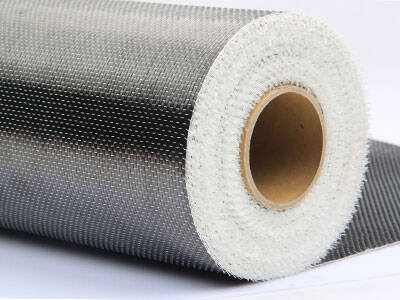
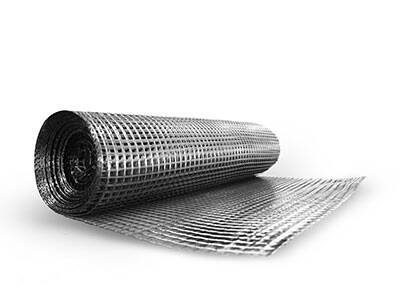
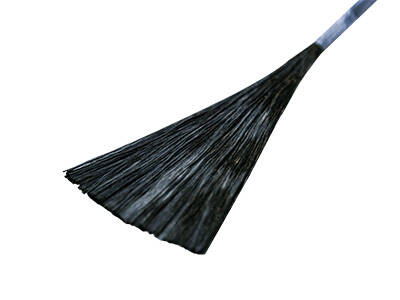
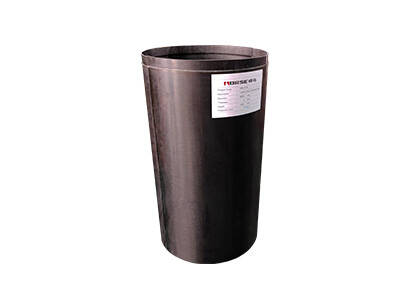
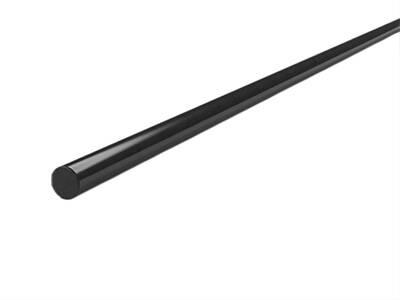
Our company serves as the supplier for this project, providing CFRP carbon fiber fabric, carbon fiber plates, and epoxy adhesives; the strengthening scheme was developed by a local design institute, and the on-site strengthening operations are being executed by a local construction firm.

Structural Defects and Reinforcement Requirements
Verification conducted during the project's construction phase revealed that the original design's load reserve was insufficient. Compounded by subsequent minor adjustments to the facility's functional usage, two prevalent issues were identified across the vertical columns, floor beams, and slabs:
Circular Concrete Load-Bearing Columns: These columns exhibit insufficient axial compressive load-bearing capacity and weak lateral confinement properties. Furthermore, their seismic redundancy fails to meet current Venezuelan building codes; consequently, circumferential confinement reinforcement is required.
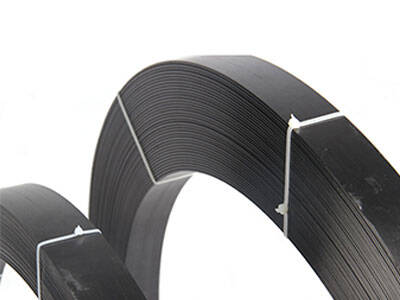
Frame Beams + Cast-in-Place Slabs: Multiple structural cracks have appeared in the tension zones of the beams and slabs, indicating that their flexural load-bearing capacity falls short of the designed service loads. Given the significant load deficit in the floor slabs, a composite reinforcement strategy has been adopted: carbon fiber plates are first bonded to reinforce the primary load-bearing areas, supplemented by carbon fiber fabric in the secondary load-bearing areas. Additionally, once the cracks in the beams have been sealed, carbon fiber fabric is bonded along the direction of the reinforcement bars to enhance flexural strength.

Structural Reinforcement Materials and Construction Methodology
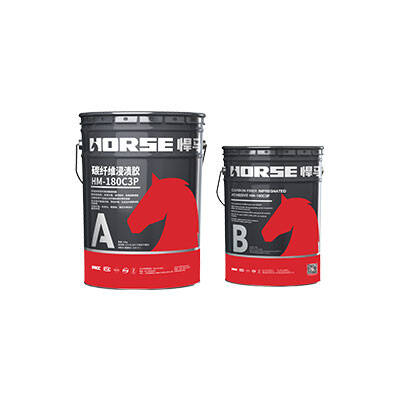
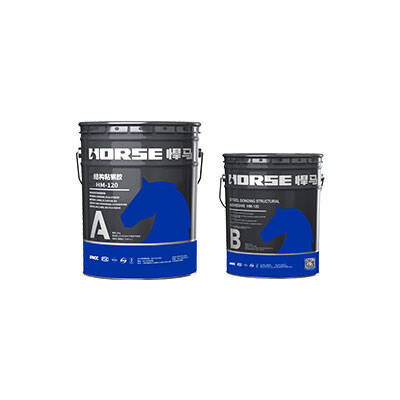
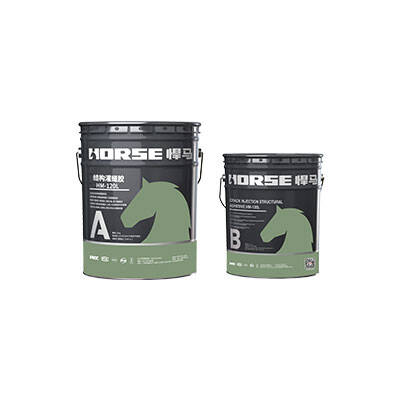
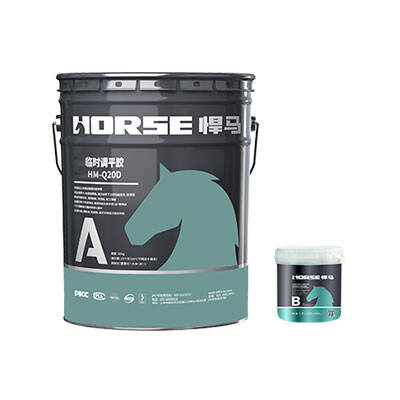
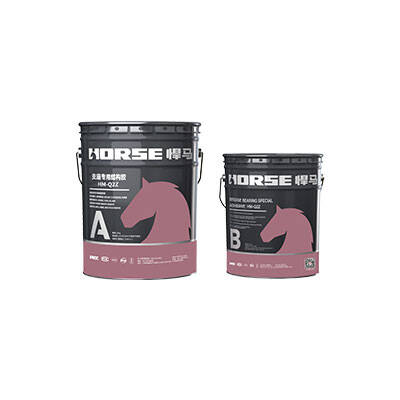
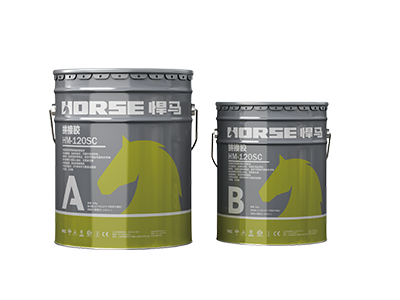
For this project, our company will supply the complete range of primary reinforcement materials (HM-30 CFRP carbon fiber fabric, HM-1.4T carbon fiber plates, HM-120CP carbon fiber laminate adhesive, HM-180C3P impregnating resins, and HM-120L crack-repair epoxy adhesive, HM-9 crack seal adhesive). On-site construction will be executed in strict compliance with ACI 440 structural reinforcement codes and standards.
1. Crack Pre-treatment
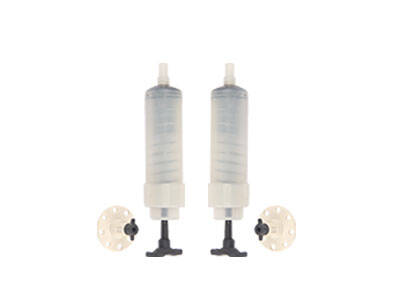
Existing structural cracks in beams and slabs are first sealed via pressure injection using an epoxy repair adhesive. This process blocks crack channels, prevents the ingress of moisture and vapor, and restores the structural integrity of the components.
2. Substrate Preparation
The surface laitance and loose concrete on beams, columns, and floor slabs are ground down and removed. Dust is cleared, and any defective areas are repaired and leveled to ensure the bonding substrate is dense and flat.

3. Composite Slab Reinforcement (Carbon Plate + Carbon Fabric Combination Method)
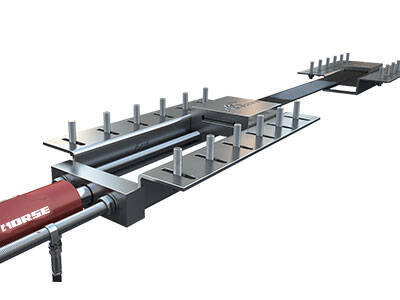
Carbon fiber plates are bonded to the slab surface in the direction of principal stress. By leveraging the high modulus and high tensile strength characteristics of the carbon plates, the load-bearing capacity of the slab's main reinforcement bars is concentratedly enhanced. Subsequently, unidirectional carbon fiber fabric is bonded over the plates to form a "Carbon Plate + Carbon Fabric" composite reinforcement system.

4. Frame Beam Reinforcement
Upon completion of crack repairs, CFRP carbon fabric is bonded along the longitudinal tension zone of the beams. This supplements the tensile cross-sectional area and increases the beam's flexural load-bearing capacity.

5. Circular Column Reinforcement
Carbon fiber fabric is wrapped continuously and circumferentially around the circular columns. This hoop confinement restrains the core concrete, thereby enhancing the column's axial compressive strength and structural ductility, and improving its seismic performance.
6. Curing and Setting
The structure is left to cure at ambient temperature until the adhesive has fully set. Following final inspection and acceptance, subsequent plastering and decorative finishing works may commence.

Project Acceptance Results
Following the completion of the structural strengthening works, a third-party structural analysis confirmed the following:
The compressive and seismic resistance performance of the circular load-bearing columns meet established standards, and their load-bearing capacity satisfies current regulatory requirements;
Cracks in the beams and slabs have been fully sealed and show no further propagation; furthermore, the flexural strength of the beams and the composite load-bearing capacity of the floor slabs now meet the usage load standards applicable to residential buildings following renovation;
All potential safety hazards associated with the project have been eliminated, thereby facilitating the smooth progression of subsequent interior renovation works.