


 Language: English













Solutions
Horse Construction offers full range of structural strengthening materials with technical supports, documentation supports, products supports, project supports.
Increased Live Loads in Warehouses: Drivers, Structural Impacts and Engineering Responses
Modern warehouses are undergoing a profound shift in loading demands, driven by e‑commerce expansion, automated storage systems, higher stacking, and denser palletization. Increased live loads have become a defining challenge for new construction, retrofits, and ongoing operations.
What Are Warehouse Live Loads?
Live loads (or imposed loads) are the variable, movable weights a floor or structure must support, distinct from the fixed dead load of the building itself. In warehouses, live loads primarily include:
Stored pallets, cartons, and bulk goods
Material handling equipment (forklifts, pallet jacks, AGVs, and robotic systems)
Temporary partitions, work platforms, and mezzanines
Operational personnel and maintenance activities
Historically, many warehouses were designed for 100–150 psf (pounds per square foot) for light storage. Today, heavy‑storage and automated facilities commonly require 200–300 psf or higher, with mezzanines and high‑bay racking zones often exceeding these levels. Under ASCE 7 and IBC, heavy storage warehouses are referenced toward 250 psf as a benchmark, with no live load reduction permitted for high‑load floors.
Key Drivers of Rising Live Loads
1. E‑Commerce and Omnichannel Fulfillment
Consumer demand for faster delivery has pushed warehouses to hold more inventory per square foot. Higher stacking, double‑deep racking, and dense pallet layouts directly increase uniform and concentrated live loads.
2. Automated Storage and Retrieval Systems (AS/RS)
Automated shuttles, cranes, and conveyor systems add both static weight and dynamic loads. These systems require rigid floors with strict deflection limits, often raising design live loads and stiffness requirements.
3. Heavy and Bulk Storage Trends
Industries such as retail, third‑party logistics (3PL), cold storage, and manufacturing now store heavier goods—including appliances, building materials, electronics, and industrial components—at greater heights, amplifying floor and slab loads.
4. Mezzanines and Multi‑Level Operations
Mezzanine floors boost usable space but introduce intermediate live loads. These secondary levels are frequently designed for 125–150 psf or more, compounding load demands on primary beams, columns, and foundations.
5. Updated Building Codes and Safety Mandates
Modern codes (e.g., IBC, ASCE 7, and provincial/state amendments) mandate higher minimum live loads for storage occupancies. They also emphasize load combinations, seismic compatibility, and impact factors for material‑handling equipment, raising design thresholds across the industry.
Structural and Operational Impacts of Increased Live Loads
When live loads exceed original design assumptions, warehouses face tangible risks:
Slab and Floor Failure: Cracking, excessive deflection, or punching shear at rack bases can damage goods and injure workers.
Overstressed Beams and Columns: Members not sized for elevated loads may suffer permanent deformation or collapse under peak stacking.
Foundation Settlement and Overload: Increased tributary loads can cause differential settlement, especially in lightly loaded original foundations.
Seismic Vulnerability: Heavier live loads raise inertial forces during earthquakes, requiring improved bracing, anchorage, and frame stiffness.
Operational Disruption: Retrofits, downtime, and non‑compliance penalties disrupt logistics and increase costs.
Engineering Strategies for Heavier Live Loads
New Warehouse Construction
Specify Higher Design Live Loads Early: Adopt 200–300 psf or project‑specific actual loads from the start.
Optimize Slab and Framing: Use thicker reinforced concrete slabs, post‑tensioning, or deeper steel sections to improve capacity and stiffness.
Robust Foundations: Design footings, piles, and slabs‑on‑grade for full anticipated live loads, including future mezzanines or automation.
Modular and Flexible Framing: Allow for layout changes and load redistribution without structural compromise.
Retrofit and Upgrade of Existing Warehouses
Structural Assessment: Engage structural engineers to test capacity, review drawings, and identify overstress areas.
Selective Strengthening: Use carbon fiber reinforced polymer (CFRP), steel plating, or supplementary beams to upgrade slabs and members.
Rack and Layout Optimization: Distribute heavy loads to stronger zones; avoid overloading critical columns or spans.
Foundation Reinforcement: Underpin or add piles where settlements or capacity deficits exist.
Seismic Retrofit: Add bracing, anchor racks properly, and improve diaphragm performance for high‑load conditions.
You can find anything here you are in need of, have a trust trying on these products, you will find the big difference after that.

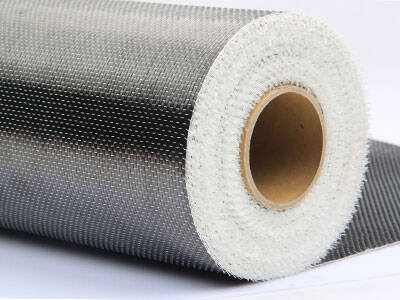
High strength, unidirectional carbon fiber wrap pre-saturated to form a carbon fiber reinforced polymer (CFRP) wrap used to strengthen structural concrete elements.

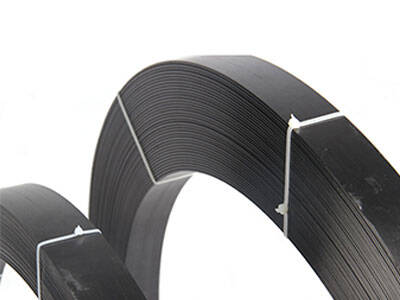
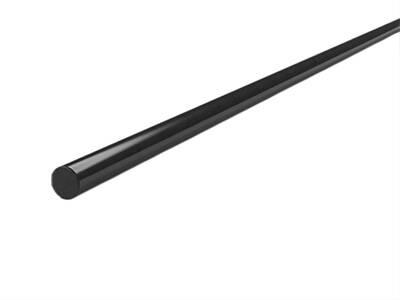
High strength carbon fiber reinforced polymer (CFRP) strip / laminate / plate for structural strengthening and concrete repair

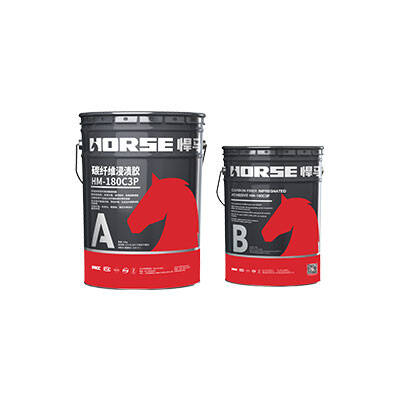
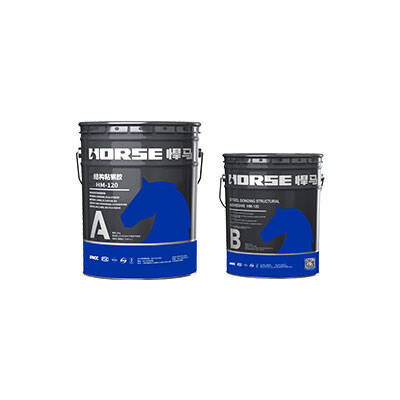
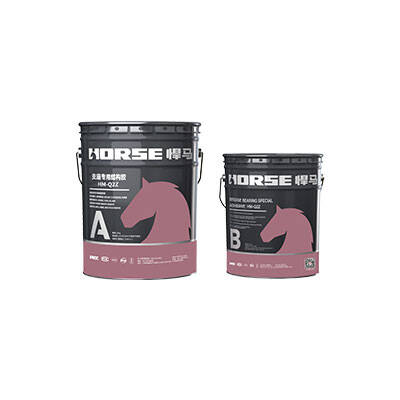
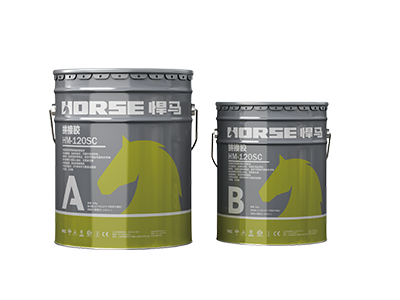
Two-component epoxy modified epoxy structural strengthening adhesive for bonded steel plate to concrete
